





- Visa Consultancy
-

By MD Consultancy
- 25.10.2025
Get to Know Germany!
A Confident Step into Germany: Culture, Life and Adjustment Guide
Explore the history, society and culture of your new country.
This guide offers basic, practical information for adjustment when starting life in Germany.
Let us look at historical development and cultural heritage, distinguishing historical events, literature and legends.
Modern Germany’s history involves different peoples, political structures and cultural exchanges. Ancient communities should not be equated directly with modern borders and identities.
Germania and Antiquity
Roman sources called the lands Germania, inhabited by Germanic tribes Rome never fully conquered.
The regions and communities described as Germania are important in Central European history. Ancient events should be distinguished from later national narratives.
The Middle Ages and Holy Roman Empire
Charlemagne was crowned emperor in 800. His Frankish Empire and the Holy Roman Empire associated with 962–1806 did not share the same historical starting point. Different dynasties and regional governments shaped Central Europe over this long period.
Reformation and Martin Luther
The religious and social Protestant Reformation is associated with Luther’s posting of 95 theses in Wittenberg in 1517. It led to Protestantism and transformed Germany’s religious and political map. His Bible translation contributed to standardising German and spreading the idea of individual religious freedom.
The Thirty Years’ War, 1618–1648
A religious and political catastrophe that killed a large part of the Holy Roman Empire’s population.
1. The Nibelungenlied and Siegfried — Medieval Heroic Epic
The story tells of Siegfried defeating a dragon, acquiring the Nibelung treasure and being betrayed and killed by Hagen von Tronje. It connects Norse and Germanic mythology. Its tragic and heroic themes inspired Richard Wagner’s Ring cycle.
2. The Lorelei Legend — Romanticism
Lorelei, a beautiful-haired mermaid or water spirit, lives on a steep rock above the Rhine. Her enchanting song distracts sailors, who lose their course and perish against rocks in dangerous currents. This classic Romantic legend symbolises the river’s dangers and love’s fatal attraction.
3. The Brothers Grimm
Jacob and Wilhelm Grimm made a major contribution to world heritage by publishing folk tales collected in the early nineteenth century. Hansel and Gretel, The Bremen Town Musicians and Little Red Riding Hood became foundations of children’s literature and brought German stories to the world.
4. The Barbarossa Legend
Frederick Barbarossa, the powerful twelfth-century Holy Roman Emperor, is said not to have died but to sleep in a cave in the Kyffhäuser mountains of Thuringia. His beard grows around a table; he will awaken in Germany’s hardest hour and restore its glory. The figure represents hopes of unity and renewal.
Goethe’s Faust
A pinnacle of German literature: Faust sells his soul to the devil while searching for the limits of human knowledge. The story is a symbol of German thought.
The Beginning of Oktoberfest, 1810
Originally a celebration of Bavarian Crown Prince Ludwig’s wedding, it developed into a world-famous festival.
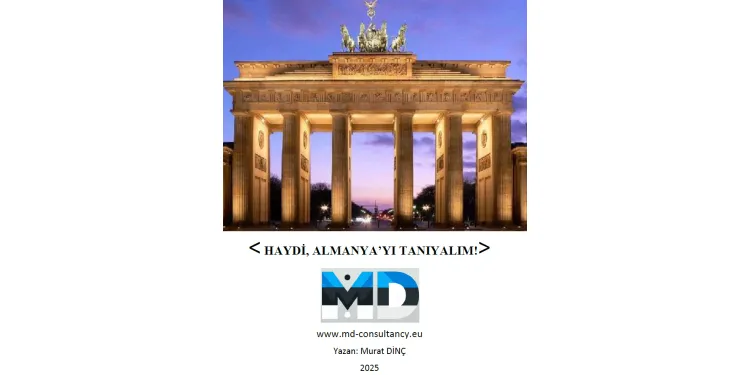
Brandenburg Gate
A symbol of destruction, war and reunification in Berlin.
Germanic Mythology
Figures such as Wotan (Odin) and Donar (Thor), also known in Norse mythology, have left traces in German folk culture.
Sources and Update
Last content review: 18 November 2026.
Deutsches Historisches Museum — Middle Ages
Holy Roman Empire: 962–1806