





- Visa Consultancy
-

By MD Consultancy
- 25.10.2025
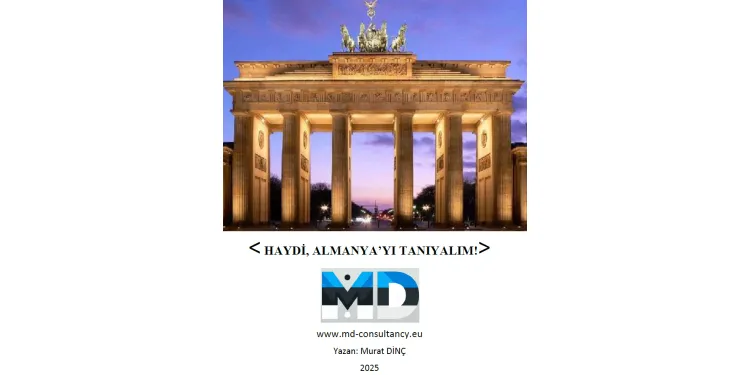
Get to Know Germany!
A Confident Step into Germany: Culture, Life and Adjustment Guide
Explore your new country’s history, society and culture. This guide offers basic, practical information for starting life in Germany.
Housing and Transport
1. Housing — Wohnen
Mietwohnung: rented apartment.
Eigentumswohnung: owned apartment.
Haus: detached house.
WG — Wohngemeinschaft: shared accommodation for students or workers.
Miete: rent.
Rent is usually distinguished as:
Kaltmiete: basic rent.
Warmmiete: the amount including ancillary costs specified in the contract. Check electricity, internet and heating separately.
Warmmiete generally includes heating, water and building charges, excluding electricity.
Deposit — Kaution: check amount, payment and return conditions in the lease.
Registration — Anmeldung: generally register with the competent authority within two weeks of moving in. Check documents and appointments with the municipality.
Common rental documents:
SCHUFA credit history.
Mietschuldenfreiheitsbescheinigung: confirmation of no previous rent arrears.
Gehaltsnachweis: payslip.
Housing is competitive, especially in Berlin, Munich and Hamburg. More than half the population rent; leases are often open-ended.
Budget varies by city, district, size, contract and utilities. Compare actual listings for your intended period rather than old averages.
Popular websites:
www.immobilienscout24.de
www.wg-gesucht.de — shared housing
www.ebay-kleinanzeigen.de
Landlords may request income, identity and SCHUFA evidence.
Homes are often unfurnished and without kitchen units.
Check the energy certificate — Energieausweis.
Transport
Germany has one of Europe’s most developed transport infrastructures.
Deutsche Bahn is central to intercity and international travel. ICE is high-speed; advance Sparpreis tickets are often cheaper. ICE, IC and RE services cover the country. For example, Berlin–Munich takes about four hours by ICE.
Deutschlandticket: €63 monthly as of November 2026. Deutsche Bahn’s announced price from 1 January 2027 is €66.80. It generally covers local and regional transport, excluding long-distance ICE, IC and EC. Check exceptions, subscription and cancellation before purchase.
Cycling is an important daily option supported by extensive routes. Respect cyclists and traffic rules; breaches may lead to fines.
Large cities integrate U-Bahn, suburban trains, trams and buses. Fares use zones, for example Berlin A–B–C.
Operators such as FlixBus offer economical coach travel.
Autobahns are famous: many sections have no speed limit, but strict safety rules apply. Use is free for cars, with charges for trucks.
Ticket Types
Einzelticket: single journey.
Tageskarte: day ticket.
Monatskarte: monthly pass.
Check the current Deutschlandticket price, validity and cancellation with DB or the relevant operator.
Owning a Vehicle
Inspection: check the due date against registration, inspection certificate and authority information.
Kfz-Steuer: vehicle tax.
Insurance: distinguish compulsory liability from optional comprehensive cover and check the policy.
Climate and Weather
Germany has a temperate oceanic climate with four distinct seasons.
Winter, December–February: cold and damp, often near or below freezing. Snow is common, though large-city transport generally continues.
Summer, June–August: mild, often 20–30°C, with extreme heat less common. A light cardigan may be useful in the evening.
Rain falls throughout the year; an umbrella and raincoat are useful daily items.
Regional Cultures and Traditions
Germany is a federation of 16 states with distinct traditions.
Bavaria: Oktoberfest and traditional dress. Beer, Lederhosen and Dirndl feature in the world-famous folk festival and a strong regional identity.
North Rhine-Westphalia: Cologne and Düsseldorf are known for carnival; dates and programmes vary by city.
Hamburg/Bremen: Hanseatic maritime trading traditions, often described as understated, direct and cosmopolitan.
Berlin: a multicultural centre combining art, history and migrant cultures rather than one dominant tradition.
Nationwide Public Holidays
New Year: 1 January.
Easter: Good Friday and Easter Monday, variable dates.
Labour Day: 1 May.
German Unity Day: 3 October.
Christmas: 25 and 26 December.
State-Specific Holidays
Epiphany, 6 January: Bavaria and Baden-Württemberg.
Check your state and local calendar for holidays such as Corpus Christi and Epiphany.
Social Adjustment and Tips
1. Punctuality: arrive on time for authorities, doctors and private meetings. Inform people in advance if delayed.
2. Quiet hours: noise such as drilling or washing machines on Sundays or after 22:00 is unwelcome. Sunday is a rest day and most shops/businesses close.
3. Waste separation: follow rules for organic waste, paper, glass, plastic and residual rubbish. Incorrect sorting may lead to fines.
4. Official communication: use formal “Sie” in emails and letters. Be calm, clear and concise with authorities such as the immigration office.
Planning a Monthly Budget
Calculate rent/utilities, health insurance, transport, food, internet and personal costs separately. Plan moving, deposit and initial settlement costs outside the monthly budget. No single figure suits all cities and households.
Important Numbers
112: fire/ambulance emergencies.
110: police.
116117: out-of-hours medical service for non-life-threatening problems that cannot wait until the next day when practices are closed. For life-threatening emergencies, call 112.
Sources and Update
Last content review: 18 November 2026.
Deutsche Bahn — Deutschlandticket
Deutsche Bahn — Change from 1 January 2027
Federal Registration Act §17
116117 — Medical On-Call Service